

Calibrating Selection
How IIT Bombay’s Mechanical Engineering Department Streamlined PhD Admissions with SAFE
- Dec 20, 2024
- 7 min read
Background
Prof. Neeraj Kumbhakarna from the Mechanical Department at IIT Bombay oversees the PhD admission process, which begins with a written test followed by an interview. The written test serves as the first screening for applicants, and the final admission decision depends on both the test score and the interview. This first-screening test helps identify candidates who are academically prepared for the program and sets the stage for subsequent evaluations during the interview stage.
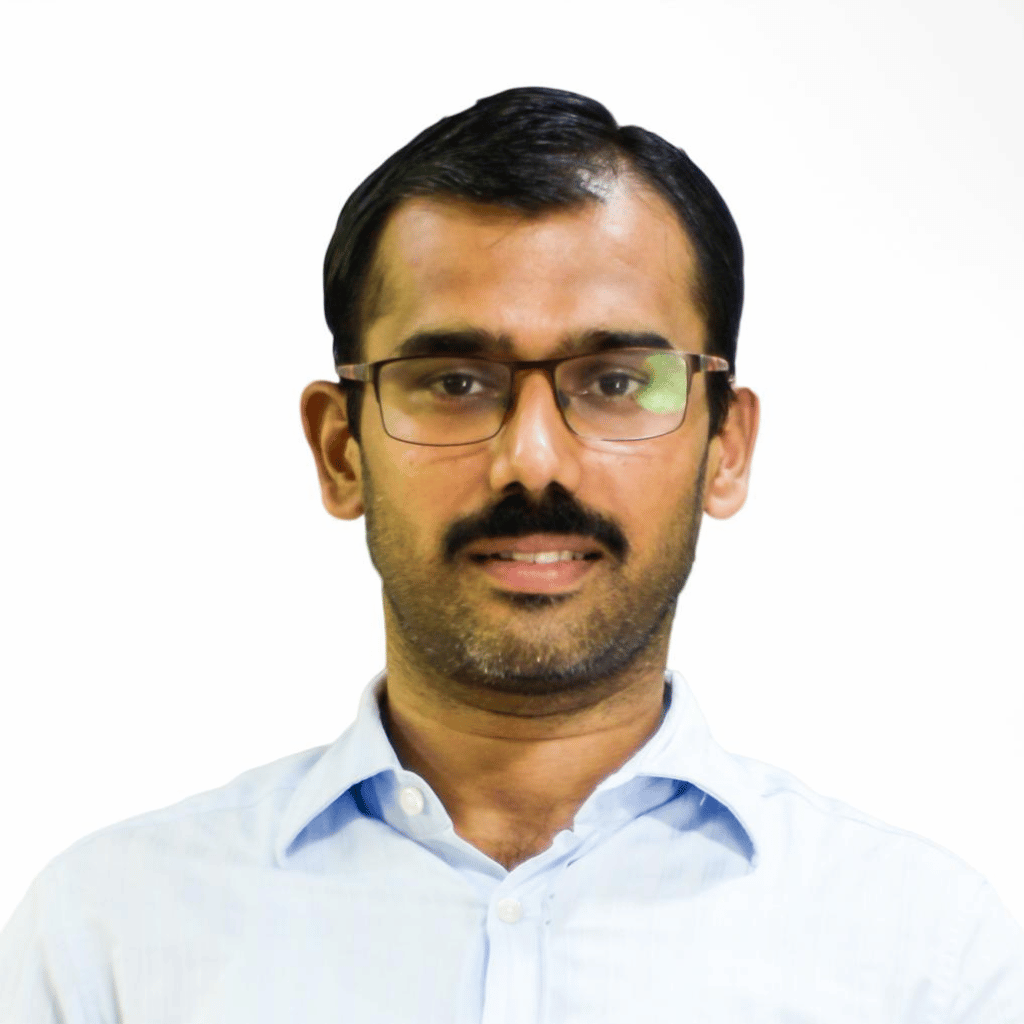
Neeraj Kumbhakarna
Professor, Mechanical, IIT Bombay
Challenges
Conducting the written test manually presented several logistical challenges. Hundreds of question papers needed to be printed, distributed, collected and evaluated. Attendance for the test varied widely, from around 60% to 80% of the applicants, which meant that many printed papers were ultimately unused and wasted. Evaluating responses required careful coordination among faculty and staff, and even minor mistakes could affect the fairness or smooth execution of the test. Managing candidate queries, ensuring consistent grading, and maintaining an organized schedule within a single venue added further complexity.
Reflecting on these difficulties, Prof. Kumbhakarna said,
“First-screening tests are crucial for selecting candidates. A candidate’s performance in this written test determines whether they progress to the interview stage, so accuracy, fairness, and smooth execution are essential. Managing everything manually added stress and was time consuming.”
Solution
The department adopted SAFE to provide a fully digital workflow for the PhD admission written test. The platform allowed faculty to create and launch test papers digitally, ensuring that each student received the correct set. Students could complete the test on their devices itself. Objective questions were graded automatically, reducing workload for staff, while the system maintained fairness and traceability throughout.
To help candidates prepare and feel confident, SAFE provided comprehensive resources, including YouTube videos explaining step-by-step instructions and mock tests that could be attempted well before the actual exam. This familiarized students with the platform, helping them approach the test calmly and efficiently.
In rare cases (less than 1%), when a candidate faced unavoidable technical difficulties despite assistance, a printed paper was provided as a backup to ensure no one was disadvantaged.
To make the exam less cumbersome and reduce unnecessary travel for candidates, in the May 2022 cycle the department experimented with conducting the test simultaneously at eight different centers across India. This candidate-friendly approach was successful, with excellent turnout and positive feedback. Pre-test guidance ensured students were ready and comfortable with the SAFE workflow before the exam began.
Over four years of deployment in this admission process, SAFE has reliably handled around 400 candidates per exam cycle with multiple-choice and objective questions, demonstrating its robustness and efficiency for this high-stakes first-screening test.
“SAFE even helped us to resolve login and device issues in real time, without disrupting the schedule,” Prof. Kumbhakarna noted. The platform’s reliability and the preparation resources provided made the process smooth for both faculty and students. The multi-center experiment worked really well and made the exam more accessible.” Prof. Kumbhakarna added.
Impact
The deployment of SAFE for the PhD admission test produced measurable benefits for both faculty and candidates.
0
+
years of reliable deployment for the admission test
0
exam-day disruptions reported across all admission cycles
0
+
candidates per exam cycle handled seamlessly
End-to-end faculty control
allowing professors to manage the test without relying on additional department staff
Automated grading
of multiple-choice and objective questions, reducing manual workload
Elimination of paper-based logistics
saving time, resources, and reducing manual effort
“Even with hundreds of students and multiple centers, everything ran smoothly,” Prof. Kumbhakarna noted. “It allowed us to focus on what mattered most: selecting the right candidates.”
Educators' Reflections
According to Prof. Kumbhakarna, SAFE not only simplified the administrative process but also increased faculty autonomy and accountability.
“With SAFE, I can manage the entire test-taking process myself, end-to-end, without needing help from any department staff. Going back to pen-and-paper would actually create extra manual work for everyone, so there’s no desire to revert,” he said.
Key Takeaway
SAFE provided a scalable, reliable, and user-friendly solution for PhD admission first-screening tests. It eliminated manual effort, reduced wasted resources, and ensured transparency and consistency in assessment. Faculty gained the ability to manage the entire test independently, while students benefited from structured guidance and a smoother exam experience. The platform demonstrated that digital solutions could transform even small-scale, critical academic assessments into efficient, fair, and transparent processes.
Create your next secure exam with the same
ease as you refresh a tab